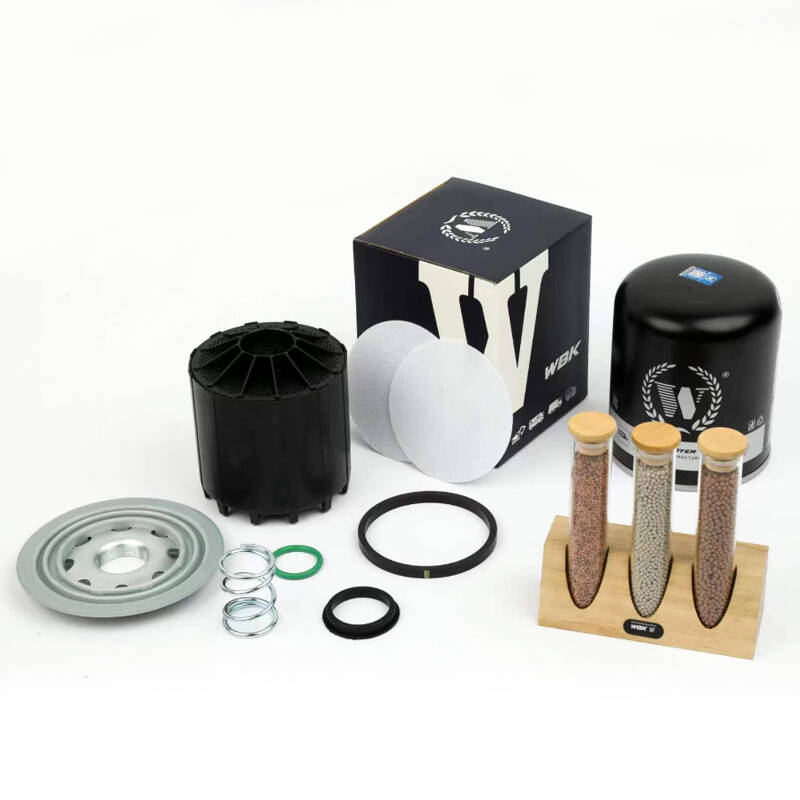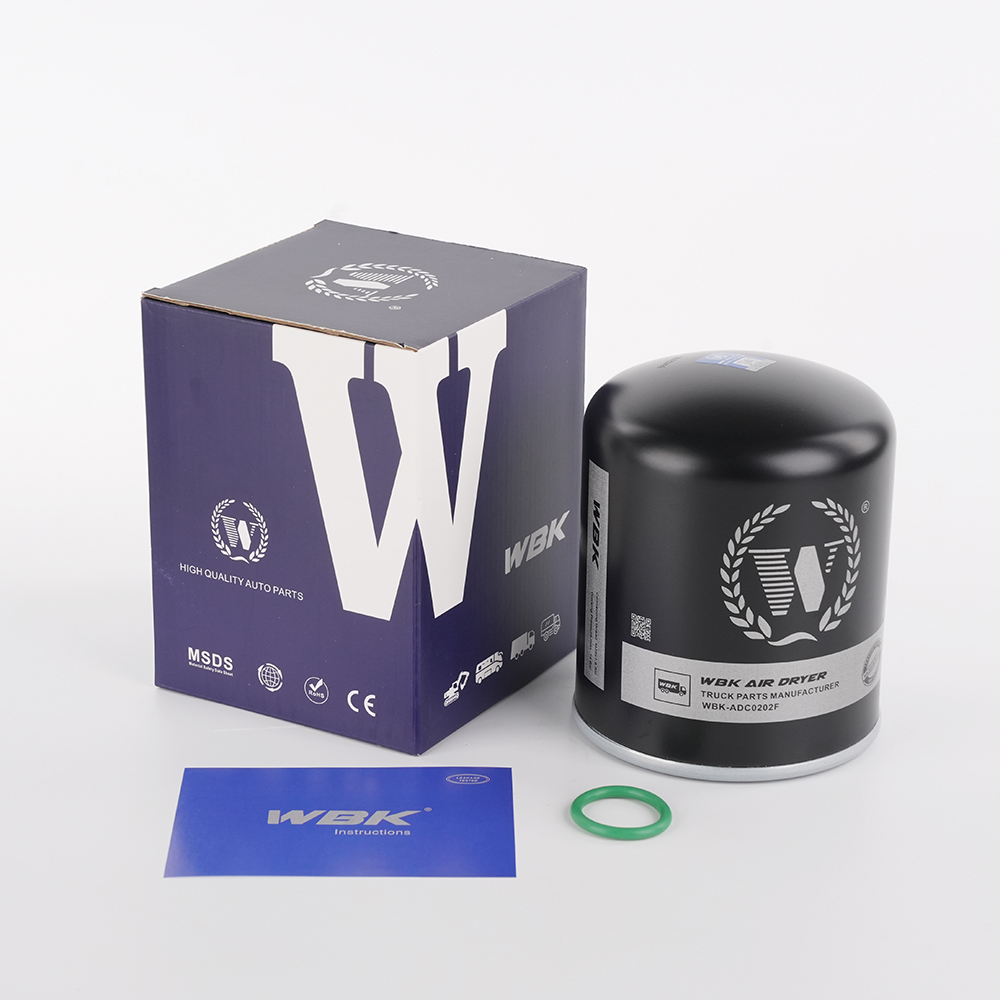

QTY.:8PCS
G.W.:22KGS
N.W.:21KGS
MEAS:60x30x19.5 CM
Inner box:14.2x14.2x18.4
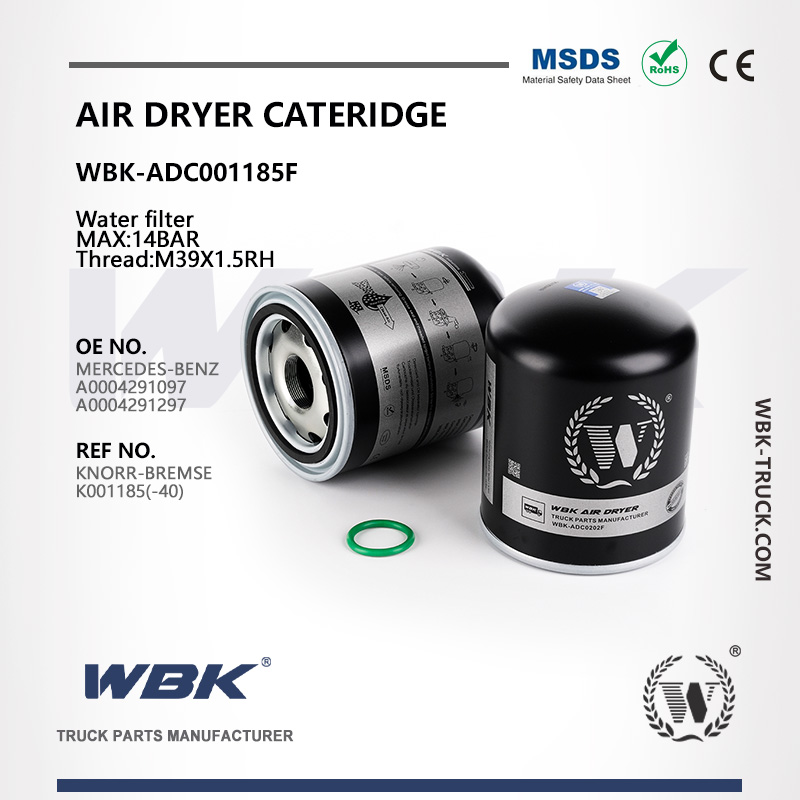
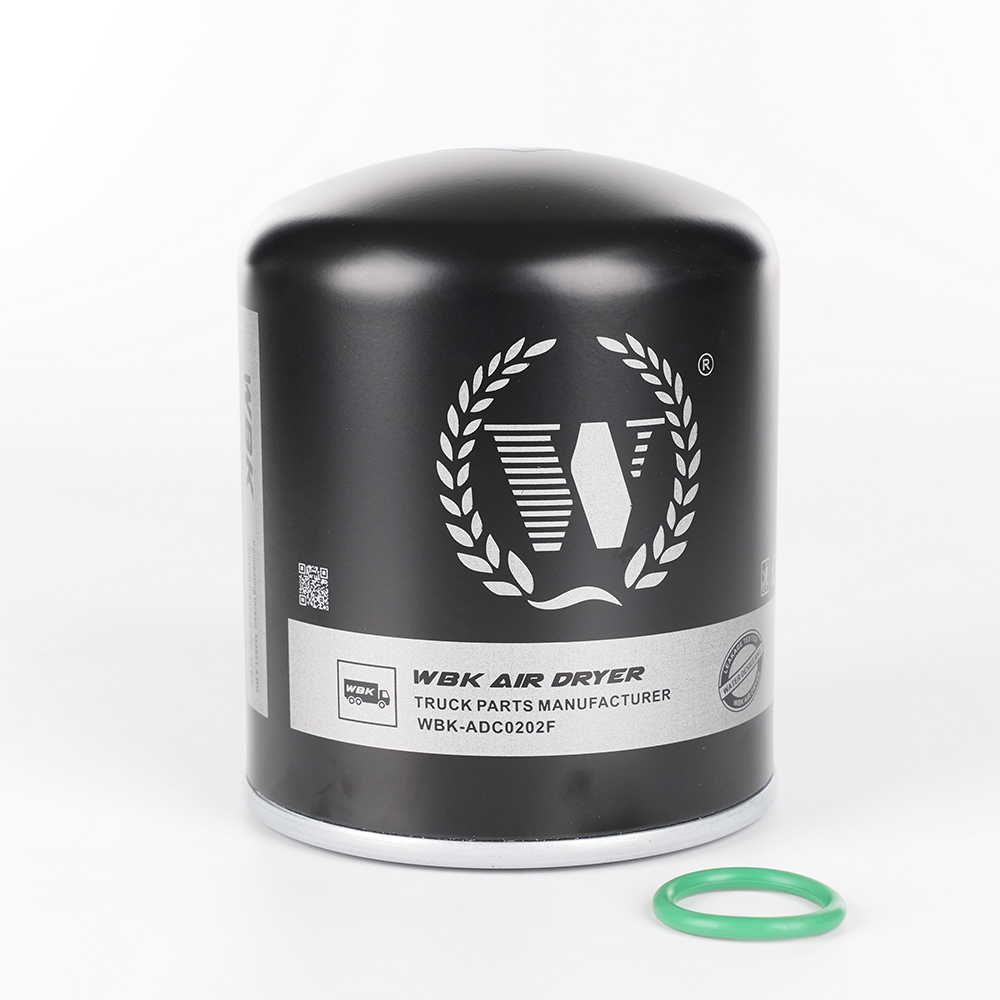
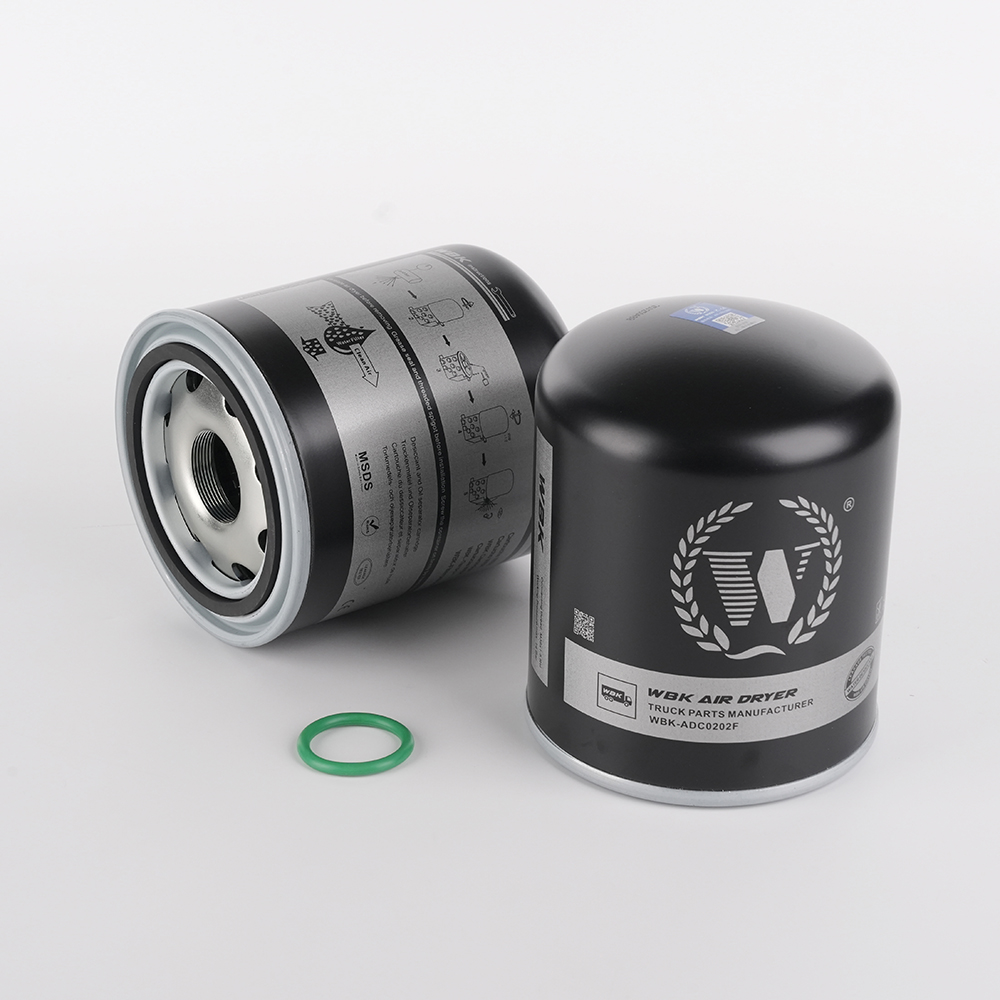
WBK-ADC001185F
BELL EQIPMMENT220949
DAF1504900R
DAF1527756
DAF0699387
DAF699387
ERF136873-1
ERF1368731
EVOBUS8285141196
FAUN99707305720
FORD4C452A131AA
FREIGHTLINERTDAPRO0102002
IRISBUS5006016342
IRISBUS8010002016
IVECO1907612
IVECO2992261
IVECO503135256
IVECO8123564
IVECO8190948
IVECO174767
JOHN DEEREAL204884
KING LONG35G42-11501
LEYLANDBBU8146
LEYLANDBBU9424
LEYLAND DAFBBU8146
LEYLAND DAFBBU9424
LIEBHERR571352308
MAN81521020008
MAN81521020009
MAN81521020010
MAN81521020013
MAN81521020015
MAN81521020019
MAN81521026001
MAN82521020013
MERCEDES-BENZA0004290897
MERCEDES-BENZA0004291097
MERCEDES-BENZA0004291297
MERCEDES-BENZA0004293595
MERCEDES-BENZA0004293695
MERCEDES-BENZA0004293795
MERCEDES-BENZA0004300669
MERCEDES-BENZA0004300969
MERCEDES-BENZ4290897
MERCEDES-BENZ4291097
MERCEDES-BENZ4291297
MERCEDES-BENZ4293395
MERCEDES-BENZ4293595
MERCEDES-BENZ4293695
MERCEDES-BENZ4293795
MERCEDES-BENZ4300669
MERCEDES-BENZ4300969
MERITORPRO0102002
NEOPLAN110174550
NEOPLAN110273600
PACCAR1504900
RENAULT5000295421
RENAULT5001004902
RENAULT5001830112
RENAULT5021132574
RENAULT5021170070
RENAULT5021170076
RENAULT5430018121
SCANIA1375997
SCANIA1932688
SCANIA377640
SCHWARZMÜLLER30283
SETRA30283
SOLARIS1102751110
STEYR79200361087
STEYR79200361090
TATRA9907004690
TEREX76117673
VOLVO3090236
VOLVO3090268
VOLVO3090288
VOLVO3091200
YUTONG3529-00033
K001185(-40)
PRO0102002
1. What Is a Particulate Air Dryer Filter
A particulate air dryer filter is a filtration device designed to remove solid contaminants such as dust, dirt, rust, scale, and other airborne particles from compressed air systems. It is commonly used in conjunction with air dryers to ensure that compressed air is not only dry but also free of solid impurities. These filters are typically installed either upstream to protect the dryer or downstream to ensure final air quality. They play a crucial role in maintaining system cleanliness and preventing particulate contamination from reaching sensitive equipment. By capturing particles of various sizes, often down to micron levels, particulate filters help ensure consistent air quality and reliable operation of compressed air systems.
2. Why the Particulate Air Dryer Filter Matters
Particulate contamination in compressed air can lead to serious operational issues, including equipment wear, clogged valves, and reduced efficiency. A particulate air dryer filter is essential because it prevents these solid impurities from entering downstream components. Without proper filtration, particles can accumulate in pipelines and machinery, causing corrosion and mechanical failure over time. In industries where precision and cleanliness are critical, such as electronics or pharmaceuticals, even small particles can compromise product quality. By removing these contaminants, particulate filters improve system performance, extend equipment lifespan, and reduce maintenance costs. They also contribute to overall system reliability and help meet air quality standards.
3. Common Product Types by Particulate Air Dryer Filter
Particulate air dryer filters are available in different types based on filtration efficiency and application needs. General-purpose particulate filters are designed to remove larger particles, typically down to around 5 microns, and are often used as pre-filters. Fine particulate filters offer higher efficiency, capturing particles as small as 1 micron or less. High-efficiency particulate filters can remove sub-micron particles and are used in applications requiring very clean air. Some designs include pleated filter elements to increase surface area and improve dirt-holding capacity. Inline filters are compact and suitable for space-limited installations, while high-capacity models are designed for industrial systems with large airflow requirements.
4. Particulate Air Dryer Filter Main Working Principle
The main working principle of a particulate air dryer filter is based on mechanical filtration. As compressed air passes through the filter element, solid particles are captured by several mechanisms, including interception, inertial impaction, and sieving. Larger particles are blocked directly by the filter media, while smaller particles follow the airflow and are trapped as they collide with the fibers. The filter media is designed to provide an optimal balance between filtration efficiency and airflow resistance. Over time, collected particles accumulate on the surface and within the depth of the filter element, which increases resistance and indicates the need for maintenance or replacement.
5. Particulate Air Dryer Filter Machine Structure and Core Stations
A particulate air dryer filter typically consists of a durable housing and an internal filter element. The housing is designed to withstand high pressure and is often made from materials such as aluminum or steel. The filter element is the core component, usually constructed from pleated paper, synthetic fibers, or other filtration media. The unit includes an inlet and outlet to guide airflow, as well as seals and gaskets to prevent leaks. Some filters also feature a support core to maintain structural integrity under pressure. Optional components may include differential pressure indicators to monitor filter condition and assist with maintenance scheduling.
6. Key Features of a Particulate Air Dryer Filter
Key features of a particulate air dryer filter include high particle removal efficiency, low pressure drop, and robust construction for long-term use. These filters are designed to handle a wide range of operating conditions, including varying pressures and temperatures. The use of advanced filter media ensures effective removal of both coarse and fine particles. Many designs incorporate pleated elements to maximize surface area and extend service life. Easy maintenance is another important feature, with replaceable filter elements and accessible housings. Additionally, these filters are often compact and can be easily integrated into existing compressed air systems without significant modifications.
7. Particulate Air Dryer Filter Material Compatibility
Particulate air dryer filters are designed to be compatible with a variety of materials and operating environments. The housing materials, such as aluminum, carbon steel, or stainless steel, are selected based on pressure requirements and resistance to corrosion. Filter elements are typically made from cellulose, polyester, or glass fiber media, depending on the desired filtration efficiency and durability. These materials are chosen to withstand exposure to dry compressed air and occasional moisture without degrading. Compatibility also includes resistance to temperature variations and chemical exposure, ensuring that the filter performs reliably in different industrial settings. Proper material selection is essential for maintaining efficiency and longevity.
8. Particulate Air Dryer Filter Product Applications
Particulate air dryer filters are widely used across various industries where clean compressed air is essential. In manufacturing, they protect machinery and pneumatic tools from damage caused by solid contaminants. In the food and beverage industry, they help maintain hygiene standards by preventing particle contamination. Pharmaceutical and medical applications rely on these filters to ensure clean air for sensitive processes. They are also used in electronics manufacturing, automotive painting, and packaging operations. Additionally, they play a role in general industrial systems, where they help maintain equipment performance and reduce downtime caused by contamination.
9. How a Particulate Air Dryer Filter Works
A particulate air dryer filter works by directing compressed air through a filter element that captures solid particles. As air enters the filter, larger particles are immediately blocked by the outer layers of the media. Smaller particles travel deeper into the filter, where they are trapped by the dense network of fibers. The clean air then exits through the outlet, while the captured particles remain within the filter element. Over time, the accumulation of particles increases resistance to airflow, which can be monitored using pressure indicators. When the pressure drop reaches a certain level, the filter element is replaced to restore optimal performance.
10. Key Advantages of Particulate Air Dryer Filter
The key advantages of a particulate air dryer filter include effective removal of solid contaminants, improved air quality, and enhanced protection for downstream equipment. By preventing particles from entering the system, these filters help reduce wear and tear on machinery, leading to longer equipment life and lower maintenance costs. They also contribute to consistent product quality by eliminating contamination risks. Energy efficiency is maintained through low pressure drop designs, while easy maintenance ensures minimal downtime. Overall, particulate filters are a cost-effective solution for maintaining clean and reliable compressed air systems in a wide range of industrial applications.

Having a problem with the product? Give us a call or chat online.
+86-577-65636687
400-000-1687
wbacc@foxmail.com
amber@rakeno.com